Community Engagement Services
Our community engagement services connect individuals with their neighborhoods, local organizations, and peers through structured programs that promote belonging, collaboration, and personal growth. We design activities that meet people where they are and help them become active, valued members of their communities.
What's Included
Our community engagement program is built around these core components — each designed to support meaningful outcomes.
Community Involvement
Active participation in local events, activities, and decision-making — from neighborhood gatherings to volunteer projects that build real-world connections.
Support Services
Hands-on assistance with navigating community resources including transportation, housing support, and connecting with local organizations.
Education & Skill-Building
Workshops and training programs designed to develop practical skills — from financial literacy to communication — that support independence.
Health & Wellness Programs
Fitness activities, mental health support groups, and wellness education that promote physical and emotional well-being.
Cultural & Recreational Activities
Events and programs celebrating cultural diversity, creative expression, and recreation — tailored to individual interests and abilities.
Volunteerism & Civic Engagement
Opportunities to give back through community service, civic participation, and volunteer roles that build purpose and belonging.
Collaborative Problem-Solving
Group-based approaches to addressing community challenges — developing teamwork, advocacy, and leadership skills.
Inclusive Outreach
Multi-channel communication strategies ensuring every community member, especially those who are underrepresented, can access and benefit from our programs.
Why This Matters
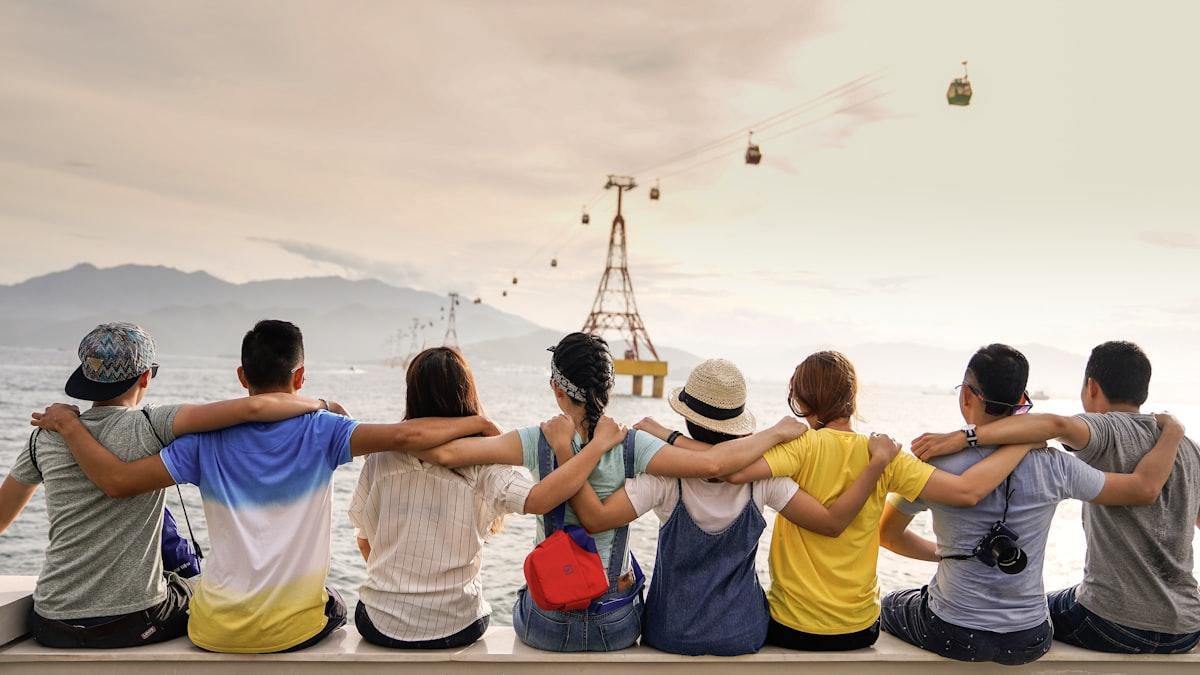
Community engagement breaks down social isolation and builds the relationships that make independent living possible. When individuals feel connected to their community, they develop confidence, expand their support networks, and discover opportunities that enrich their daily lives. Our programs create the bridge between potential and participation.
Who This Is For
Our community engagement services are designed for:
Adults with developmental disabilities seeking social connections
Individuals transitioning to community-based living
People looking to build independent living skills
Families seeking structured community programs for loved ones
Explore More Services
See how our other programs can support you or your loved ones.
Life Skills
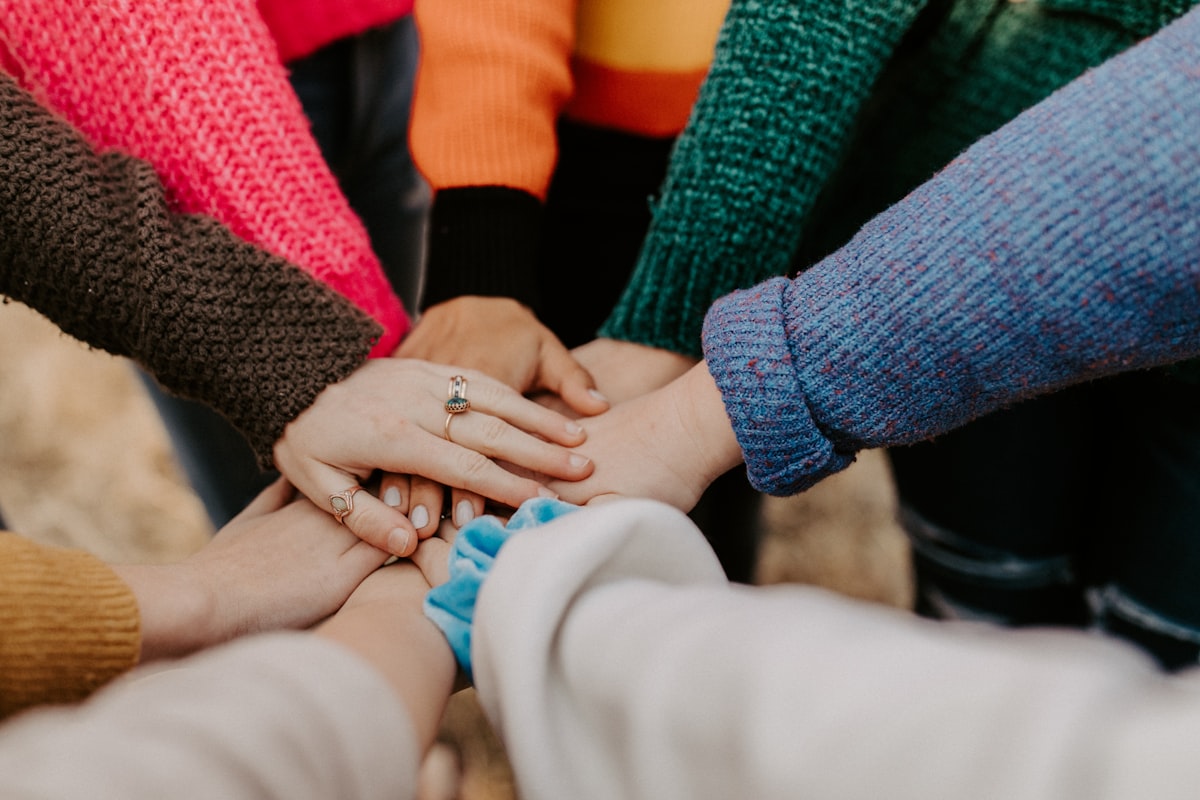
Empowering individuals through tailored skill development and personal growth programs — helping people lead more independent and fulfilling lives on their own terms.
Learn more
Staff & Family Consultation
Expert guidance for caregivers and families — providing strategies, training, and support to strengthen care environments and improve quality of life for everyone involved.
Learn more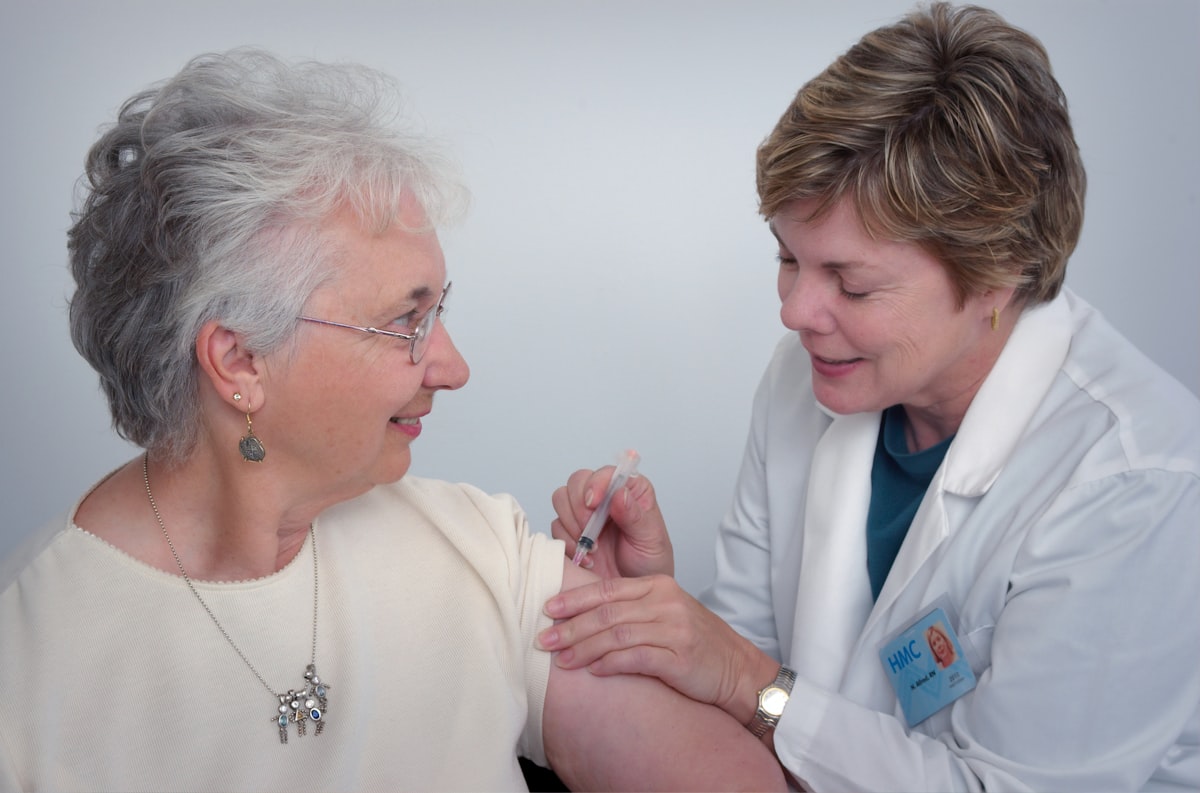
Respite Care
Reliable temporary relief for primary caregivers — ensuring your loved one receives compassionate, quality support while you take the time you need to recharge.
Learn more